 Redwood Wellness Center
Recovery takes root when you step away from the chaos and into a space designed for healing. Our residential rehab program offers a sanctuary where you can focus entirely on your wellbeing, surrounded by compassionate professionals and peers who understand the journey. Here, every day is structured to support your growth—from sunrise to sunset, you're held in a framework that nurtures body, mind, and spirit.
Living in a residential treatment environment means more than just receiving therapy; it means immersing yourself in a lifestyle of recovery. You'll build new patterns, develop healthier coping strategies, and discover strengths you didn't know you had. This isn't a pause from life—it's the foundation for the life you're meant to live.
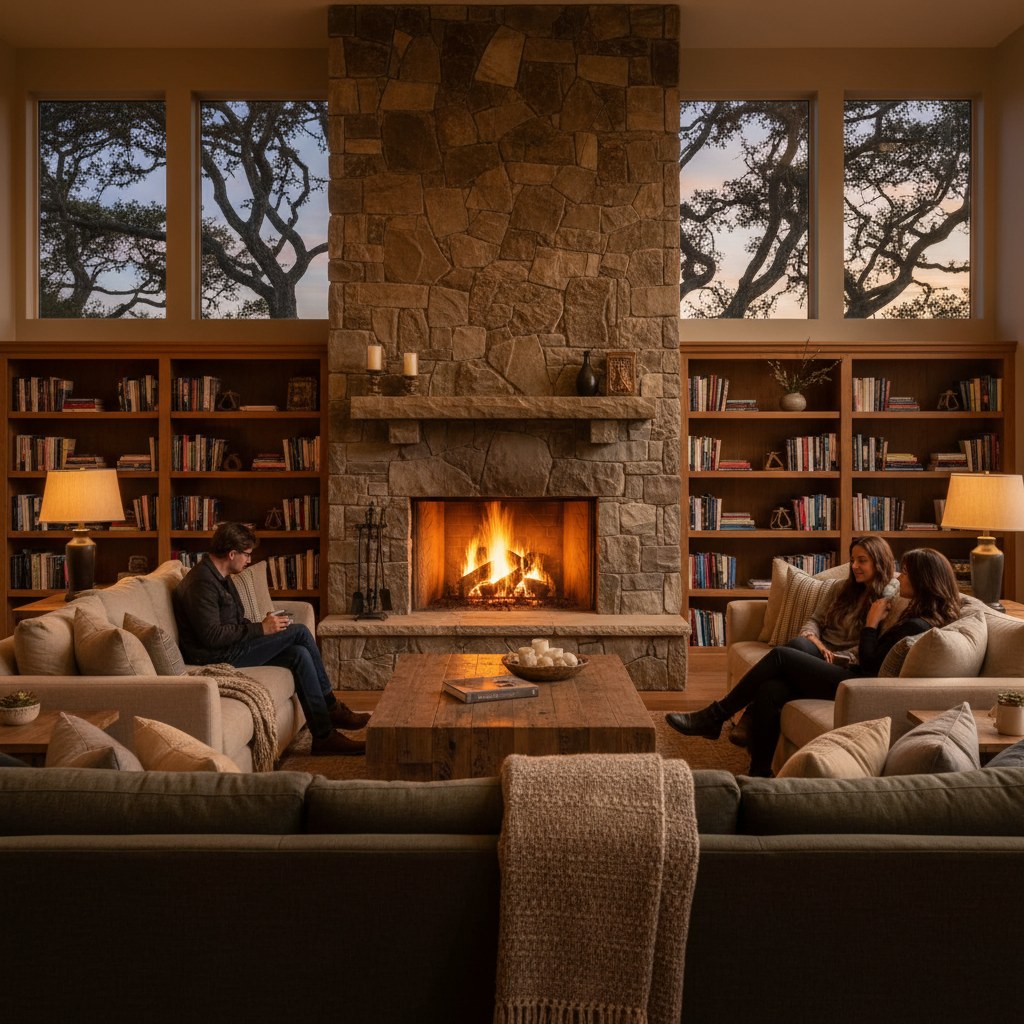
What Residential Rehab Involves
Residential rehab means living onsite in a therapeutic environment for a concentrated period, typically ranging from 30 to 90 days or longer, depending on your unique needs. You'll participate in a structured daily schedule that includes individual therapy, group counseling, educational workshops, wellness activities, and time for reflection. The residential setting removes you from triggers and environments that may have contributed to substance use, creating space for deep, uninterrupted healing work. You'll have access to clinical support around the clock, ensuring safety and immediate care whenever you need it.
Our approach integrates evidence-based therapies with holistic practices that honor the whole person. Cognitive-behavioral therapy, dialectical behavior therapy, motivational interviewing, and trauma-informed care form the clinical backbone of treatment. These are complemented by mindfulness practices, movement therapies, nutritional support, and opportunities to reconnect with yourself in meaningful ways. Peer support is woven throughout the experience—you'll live alongside others traveling similar paths, building connections that often become lifelong sources of strength and accountability.
Benefits of Residential Treatment
Complete immersion
Living in a recovery-focused environment allows you to concentrate fully on healing without the distractions and triggers of daily life.
24/7 clinical support
Round-the-clock access to professional care provides safety, stability, and immediate intervention when challenges arise.
Structured healing framework
A carefully designed daily schedule builds healthy routines and teaches time management skills essential for sustained recovery.
Deep therapeutic work
Extended time in treatment allows you to address underlying trauma, mental health concerns, and behavioral patterns at their roots.
Community connection
Living alongside others in recovery creates powerful bonds of understanding, accountability, and shared hope that extend beyond treatment.
Foundation for lasting change
Intensive programming gives you the tools, insights, and confidence needed to build a life where sobriety can flourish long-term.
Your Residential Treatment Journey
- Assessment and admission We begin with a comprehensive evaluation to understand your history, needs, and goals. This informs your personalized treatment plan and ensures residential care is the right level of support for you.
- Stabilization and adjustment Your first days focus on physical stabilization, acclimating to the environment, and beginning to engage with therapeutic programming. You'll meet your clinical team and start building connections with peers.
- Active treatment phase The heart of your stay involves intensive therapy, skill-building groups, wellness activities, and personal growth work. You'll address root causes, develop coping strategies, and practice new ways of living.
- Transition planning As you near completion, we work together on discharge planning—identifying aftercare resources, building your support network, and creating a detailed relapse prevention strategy to support your ongoing success.
Who Residential Rehab Is For
Residential treatment serves those who need more support than outpatient care can provide. You might benefit from this level of care if you've tried other approaches without lasting success, if your home environment presents significant challenges or triggers, if you're dealing with co-occurring mental health conditions alongside addiction, or if the severity of your substance use requires intensive medical and therapeutic oversight. This program is also ideal for those who want to make a decisive break from old patterns and invest concentrated time in building a strong recovery foundation.
You don't need to have "hit rock bottom" to choose residential care—in fact, seeking this level of support early can prevent deeper crisis. If you're feeling overwhelmed, if your substance use is interfering with work or relationships, or if you simply recognize that you need dedicated time away from daily pressures to heal, residential treatment offers the immersive structure and professional guidance to help you reclaim your life. This is for anyone ready to choose themselves and commit to the deep work recovery requires.
Questions we hear often
How long does residential rehab typically last?
Program length varies based on individual needs, but most residential stays range from 30 to 90 days. Some people benefit from extended care beyond 90 days. Your clinical team will work with you to determine the appropriate duration based on your progress, the complexity of your situation, and your recovery goals.
Can I have contact with family and friends during treatment?
Yes, though contact is typically structured to support your healing process. Most programs include designated times for phone calls and visits, and family involvement is often encouraged through therapy sessions, educational programming, and structured visits. The specifics depend on your treatment plan and phase of care.
What happens after I complete residential treatment?
Successful recovery continues long after residential care ends. We'll help you develop a comprehensive aftercare plan that may include outpatient therapy, support groups, sober living arrangements, and ongoing connection with your recovery community. Transition planning begins well before discharge to ensure you feel prepared and supported.
Will I be able to work or attend school during residential treatment?
Residential rehab requires full-time commitment to the program, so you won't be able to maintain regular work or school obligations during your stay. This dedicated time away is essential for deep healing work. Many people arrange medical or personal leave, and we can provide documentation to support your absence when appropriate.